
Understanding the psychological triggers that influence gambling behavior
The Role of Emotion in Gambling
Gambling is often driven by a complex interplay of emotions. Players may seek the thrill of winning, which can create feelings of euphoria and excitement. This rush is often referred to as the “gambler’s high,” a state where the brain releases dopamine, a neurotransmitter associated with pleasure and reward. The intense emotional highs can reinforce gambling behavior, compelling individuals to chase that feeling again. For those looking to explore options outside traditional frameworks, Tenobet provides an enticing platform for diverse gaming.

Conversely, negative emotions such as stress, anxiety, or boredom can also trigger gambling. Individuals may turn to gambling as a form of escapism, hoping to alleviate their emotional pain. This cycle can lead to problematic gambling behavior, as they may gamble not only to win but also to soothe underlying emotional distress.
The Influence of Cognitive Biases
Cognitive biases significantly affect how individuals perceive their chances of winning. One common bias is the illusion of control, where gamblers believe they can influence the outcome of random games, such as slots or roulette. This belief can lead them to take greater risks and continue playing even when losing, as they are convinced of their ability to change the outcome.
Another relevant bias is the confirmation bias, where players remember their wins more vividly than their losses. This selective memory reinforces the idea that they can win frequently, leading to continued gambling. Understanding these cognitive traps is essential for recognizing why players may engage in irrational betting patterns.
The Impact of Social Factors
Social influences play a significant role in gambling behavior. Peer pressure can often lead individuals to gamble, as they may feel the need to fit in with friends or social groups. This communal aspect of gambling can create a sense of belonging, making it easier for someone to justify their gambling habits.
Additionally, the portrayal of gambling in popular culture often glamorizes the lifestyle of successful gamblers, which can skew perceptions of gambling as a way to achieve wealth and success. This social narrative can further entice individuals to engage in gambling, believing it to be a viable path to financial gain.
The Role of Marketing and Environment
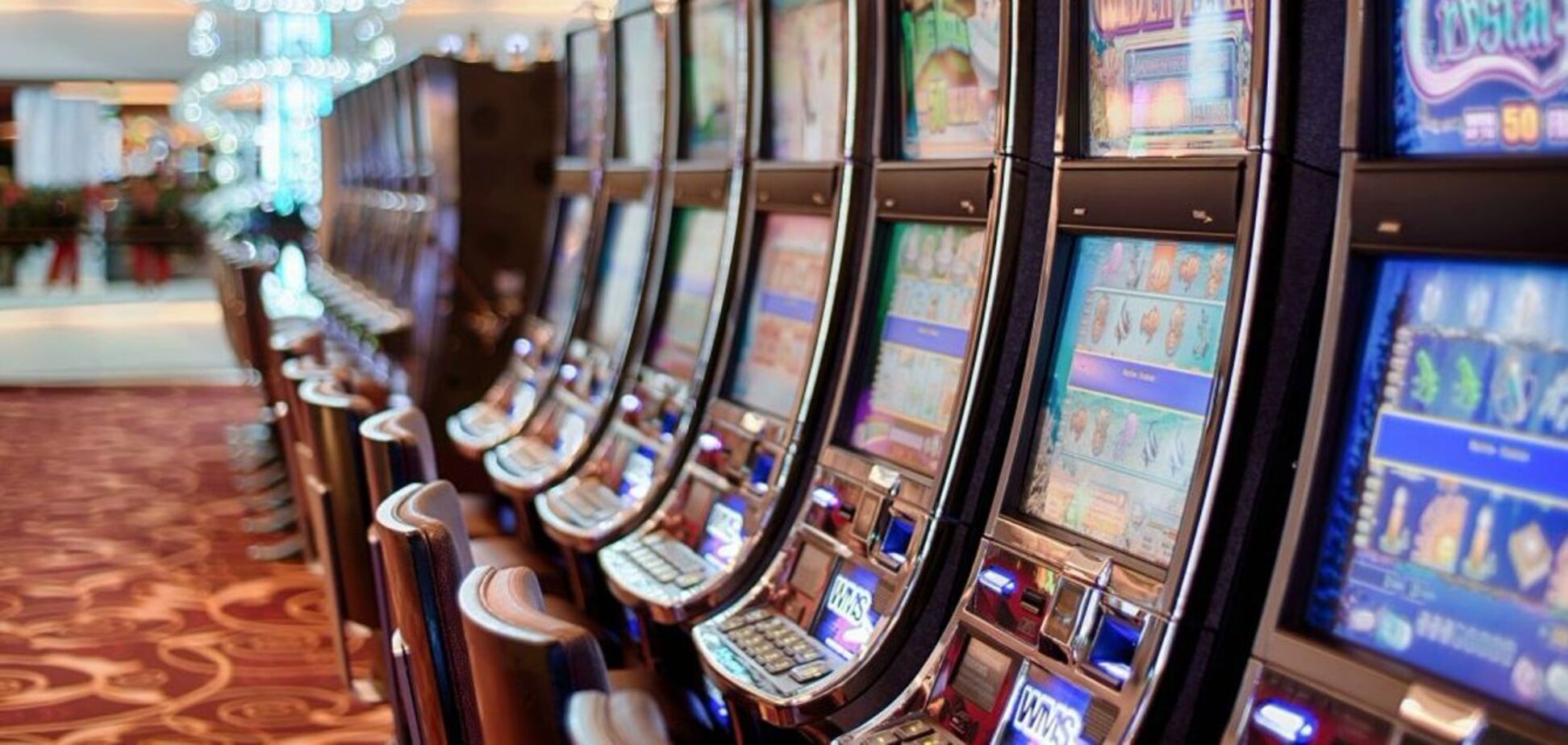
Marketing strategies employed by gambling establishments are designed to attract and retain players. Promotions, such as generous bonuses and rewards, create a sense of urgency, encouraging players to gamble more. The design of gambling environments—bright lights, enticing sounds, and the absence of clocks—are all tailored to keep players engaged and reduce the likelihood of them noticing the passage of time.
These carefully crafted environments can heighten the emotional and psychological triggers associated with gambling, making it more difficult for individuals to recognize when their behavior crosses into unhealthy territory. It is crucial for players to be aware of these tactics to maintain control over their gambling habits.
Tenobet: An Alternative for Global Players
For players seeking a diverse gaming experience outside traditional regulations, platforms like Tenobet offer a unique alternative. With a vast library of games, including slots and live dealer options, players can explore various genres while enjoying the thrill of online gambling. The website’s commitment to providing generous bonuses and promotions enhances the overall experience.
Tenobet prioritizes user security, supporting multiple payment methods, including cryptocurrencies, ensuring a safe gambling environment. As players navigate their gaming journey, understanding the psychological triggers at play can help them make informed decisions and enjoy gambling responsibly.